…Finding Out My Status
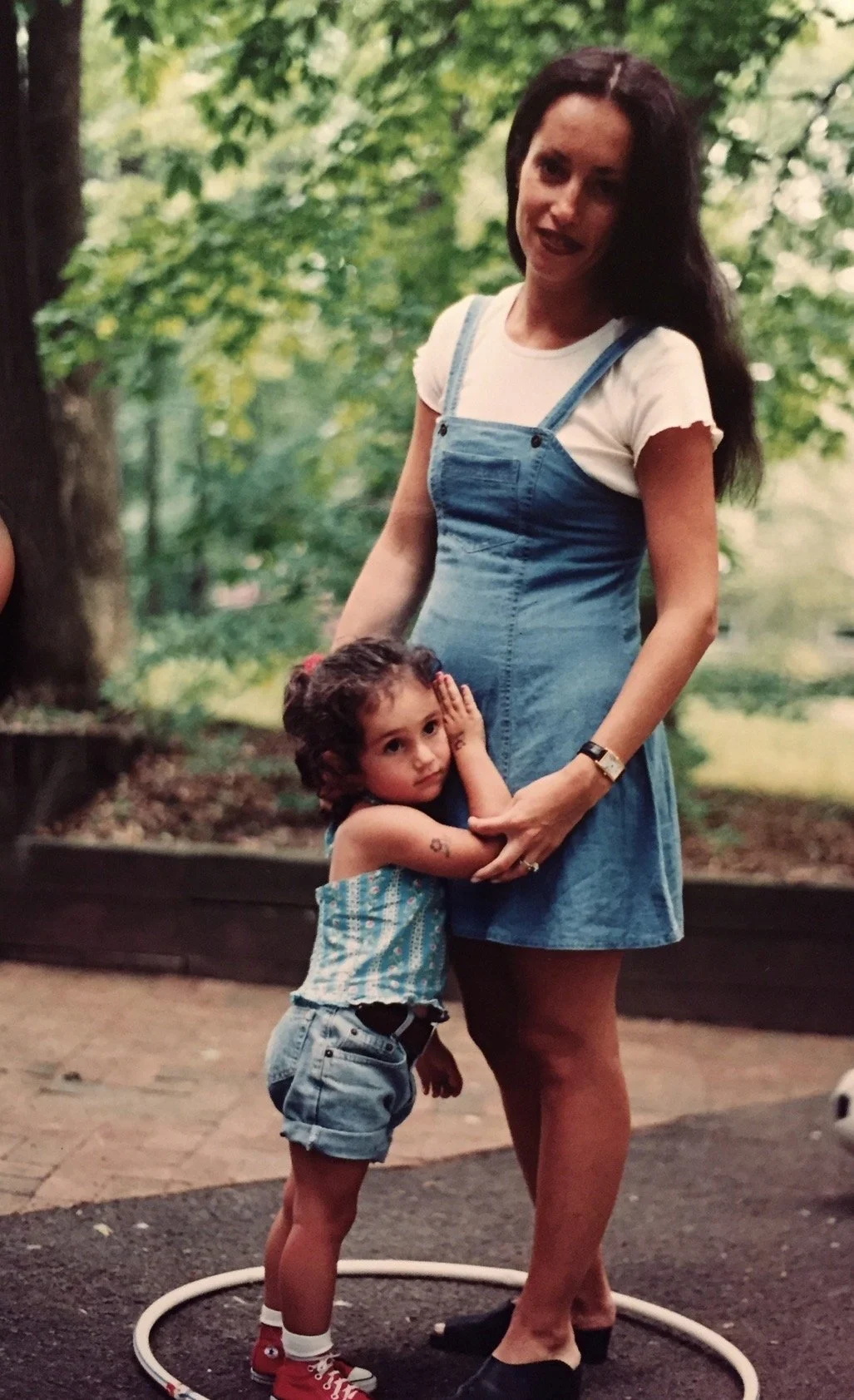
On October 2, 2020, my life changed when my mother was diagnosed with frontotemporal dementia (FTD) at just 56 years old. She was young, vibrant, intellectually sharp, and still thriving in a job she loved. She exercised regularly, ate well, and was the last person anyone would expect to be facing a neurodegenerative disease. Dementia, in my mind, was something that affected people decades older. Hearing the diagnosis felt surreal and deeply unfair
At first, clinicians believed her case was sporadic. There was no known family history of neurodegenerative disease. But something about the explanation didn’t sit right with me. I was confused, scared, and wondering if FTD could happen to me. I began researching obsessively, reading scientific literature, and connecting with others navigating similar diagnoses.
Unexpectedly, social media became one of the most powerful tools in this process. Through online communities and advocacy groups focused on FTD, I began learning about the genetic forms of the disease. I also learned that the absence of a known family history does not necessarily mean a disease is not genetic. Previous generations may have been misdiagnosed, symptoms may have been misunderstood, or family members may have passed away before a pattern could emerge
Encouraged by what I was learning and by conversations with other families, I pushed for genetic testing for my mother. Eventually, testing revealed that she carried a pathogenic mutation in the GRN gene. Mutations in GRN are a known cause of genetic FTD and are inherited in an autosomal dominant pattern. That meant each of her children had a 50 percent chance of carrying the mutation. I was at risk.
That discovery completely reframed our understanding of my mother’s illness. What initially seemed like an inexplicable tragedy was actually part of a genetic story that had been hidden within our family.
For adult children of someone with a genetic mutation linked to FTD, predictive testing is an intensely personal decision. There is currently no cure for genetic forms of the disease, and learning one’s status can bring profound emotional implications. Knowing could shape how someone thinks about their health, their career, their relationships, and their family planning.
I felt strongly that knowledge mattered. I believed that understanding my own genetic status would allow me to make informed decisions about my future and potentially participate in research aimed at developing treatments.
Around the same time, our family’s story took another unexpected turn through research. Through genetic studies connected to our case, scientists identified that in addition to the GRN mutation, our family carries a variant in another gene called TMEM106B. This gene has been studied as a genetic modifier in FTD, meaning it may influence aspects of how the disease develops in people with GRN mutations. Knowing that our family’s genetics were contributing to scientific discovery was both surreal and empowering. A story that began with fear and confusion was now helping researchers better understand the biology of this devastating disease.
Eventually, I made the decision to undergo predictive genetic testing myself. The process involved careful preparation with genetic counseling to fully understand the implications of the result, regardless of the outcome. I had to imagine two very different futures, one in which I carried the mutation and one in which I did not.
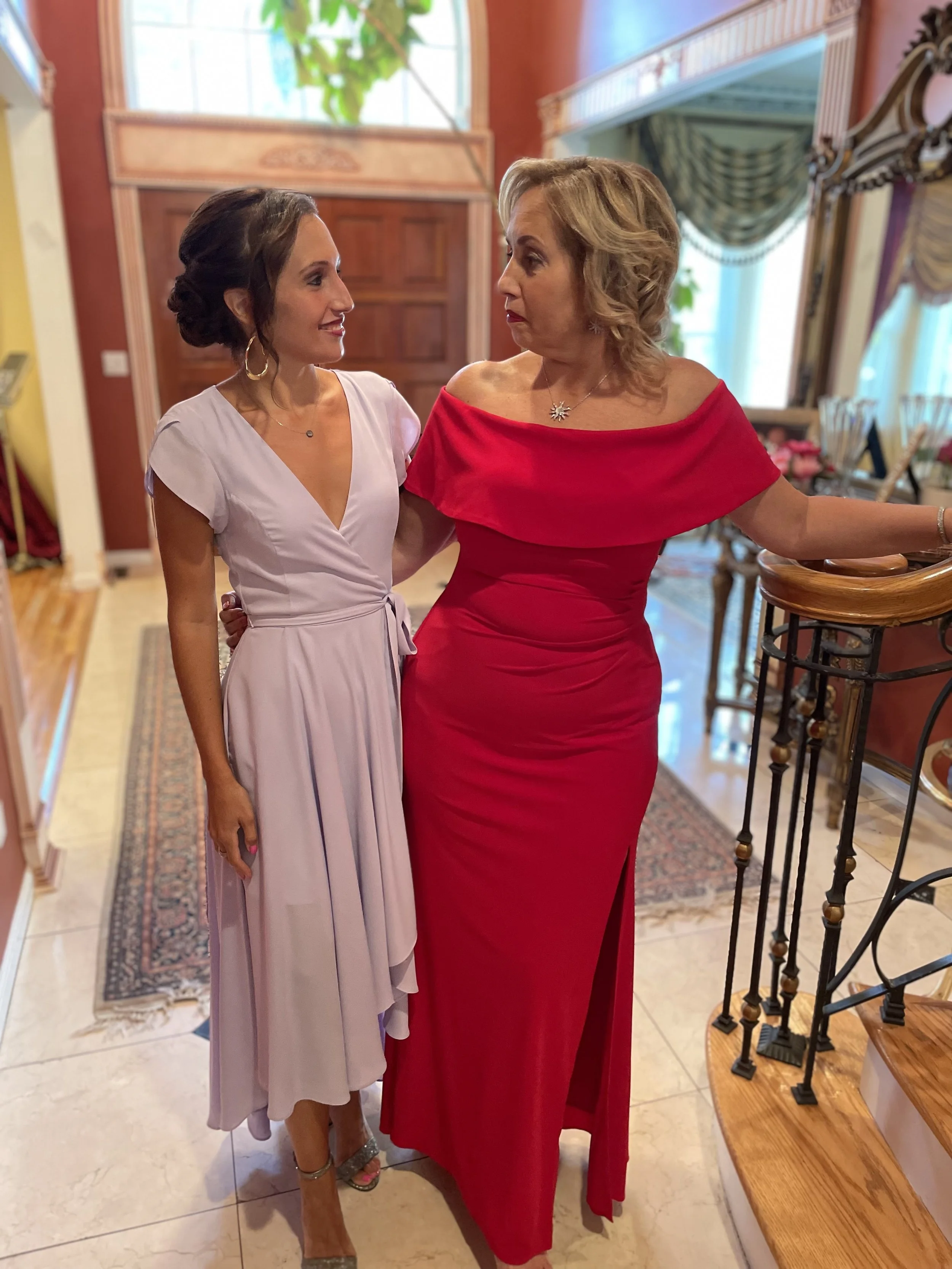
When the time came to receive my results, the moment felt enormous. It was impossible not to think about what the answer might mean for the rest of my life.
I learned that I did not inherit the GRN mutation. My test result was negative.
The feeling that followed was complicated. There was immense relief, of course. But alongside that relief came a profound awareness that other members of families like mine receive the opposite result. For them, the future may suddenly feel heavier, more uncertain, and filled with questions that medicine cannot yet answer.
My negative result did not close the chapter on this story, it transformed my role within it. Knowing that I did not carry the mutation made me feel an even stronger responsibility to use my voice. Many individuals who test positive for genetic mutations linked to neurodegenerative diseases face stigma, fear, and isolation. Some are hesitant to speak publicly about their status because of concerns about discrimination, employment, or simply the emotional weight of sharing that information.
Because I do not carry the mutation, I am able to advocate in ways that some mutation carriers may not feel safe or comfortable doing. That realization has shaped how I see my role in the FTD community.
Today, I view my voice as a responsibility. My mother’s diagnosis revealed a genetic story we never knew existed. My own genetic testing helped clarify my place within that story. But more importantly, it strengthened my commitment to raising awareness about genetic FTD, supporting research, and advocating for families navigating the same difficult decisions about testing and uncertainty.
Our family’s journey reflects the evolving nature of neurodegenerative disease research. Every family that chooses to participate in research, pursue genetic testing, or share their story contributes to a broader effort to understand and eventually treat these conditions.
While I did not inherit the mutation, the experience of confronting that possibility changed me permanently. It reinforced that genetic knowledge is not just about personal risk, it is about community, science, and the collective effort to build a future where families like mine no longer have to live with unanswered questions.
Case report on my family:
https://www.frontiersin.org/journals/neurology/articles/10.3389/fneur.2023.1160248/full
Being Patient Voices:
https://beingpatient.com/voices-hidden-dementia-story-dna/