…Long Distance Caregiving
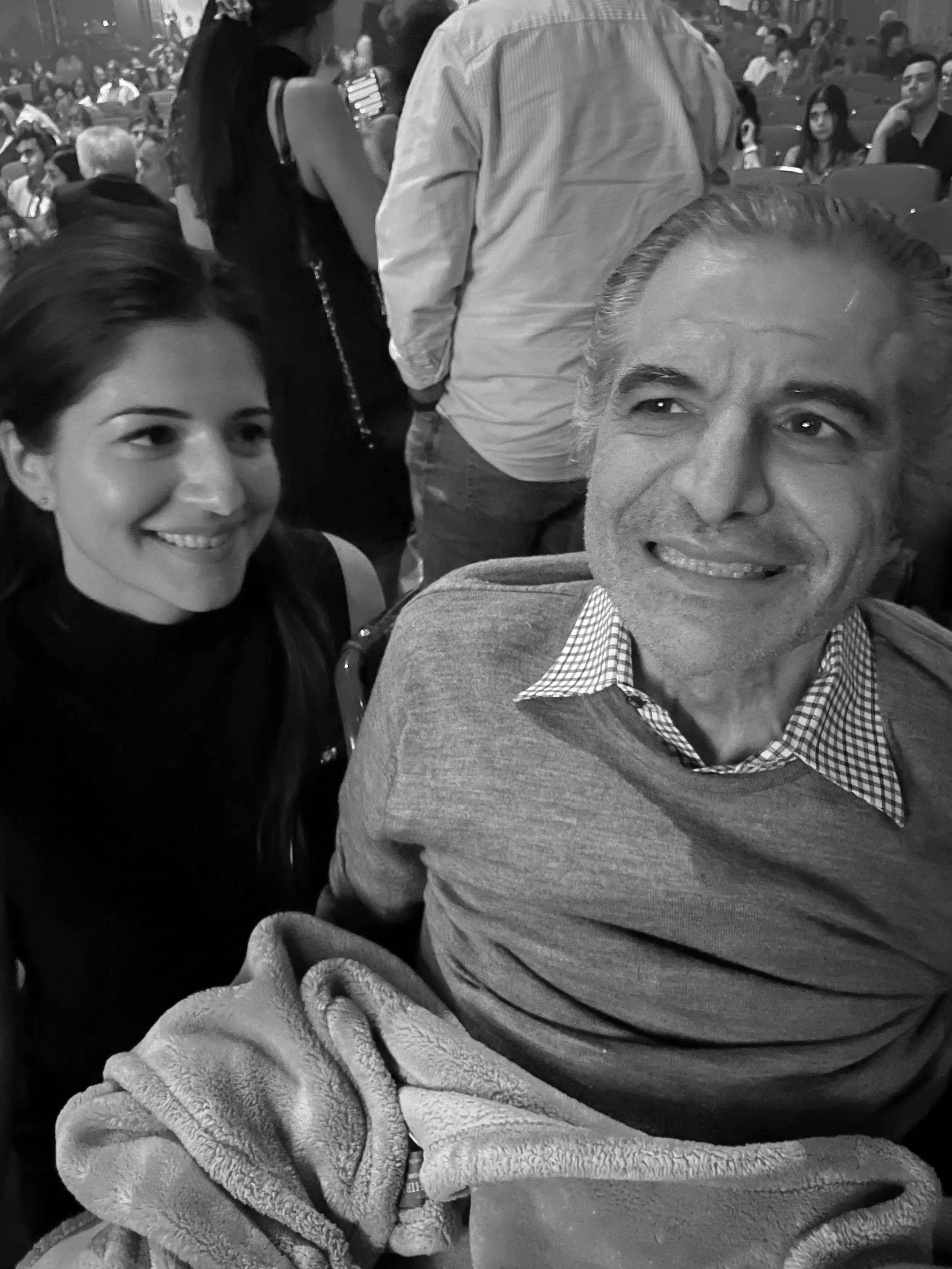
Long-distance caregiving is an interesting concept, because it can seem like it’s not really caregiving. You’re not physically present every day. You’re theoretically able to tap in and tap out of the heavy realities of caring for a loved one with FTD in a way that a local caregiver isn’t. But for many, it's the only option, and incredibly important. Long-distance caregiving was how I showed up, especially in the early days of my father’s FTD.
For the better part of five years, I was on a plane to and from my father’s home every two weeks, save for a 9-month stretch with him during COVID lockdowns (time that I am grateful to have had). My main role when away involved what long-distance caregivers can excel at: planning, logistics, coordination, gathering resources, and building a reliable support team.
As a long-distance caregiver, logistics represent a way to feel in control, and on the harrowing FTD journey, it’s critical to have small moments of control when everything feels hopeless or chaotic. Spreadsheets, lists, and schedules are your friend. In the early days, I relied on spreadsheets to track my father’s care, and his household, because we chose to care for him in our family home for cultural reasons.
The spreadsheet tracked financial accounts, income, credit, insurance, utilities, taxes, and subscriptions in one tab. I included balances, payment schedules, and login information in one place, and updated it as I handled expenses and sat on the phone for hours coordinating.
I added medical providers and appointments for coordination (and hounding them as needed). A third tab tracked outsourcing. As your resources allow, if you’re long-distance and not using a residential facility, this is an occasion to hire and coordinate housecleaners, in-home agency care, and respite care.
Automate whatever you can to reduce the cognitive burden on you, your loved one, or a caregiver, in my case, my sister. Shift bills to auto-pay. Order medical, home, or hygienic supplies and groceries online for delivery.
I applied for grants for respite care to give us precious hours while easing the financial burden. When I was physically present, I often became respite care for my sister. It’s important to make the most of your limited time with your loved one. I enjoyed creating projects like having my father ‘supervise’ backyard gardening, ‘supervise’ making large batches of professionally processed jam in our kitchen that we give to friends, or cooking (something he actually taught me). After he lost mobility, I wheeled him around everywhere, talked to him like he was the boss, sang and danced with him, and tried to make him laugh with (terrible) jokes.
FTD, while universally painful to witness, has distinctive phases. It may be difficult, but one of the most helpful things I did was research the phases and learn the markers for each. There are many resources to track FTD’s progression, but this one from the UK, while covering many forms of dementia, is the most layperson-friendly.
Knowing in advance will help you plan for what you need to know and do at each stage, and make it less surprising when it happens. You will be emotionally overwhelmed in the moment. Because you don’t see your loved one frequently, you have to prepare for more shocking changes when you do. While nothing about this was exactly comforting, I found it less terrifying knowing everything that happened was predictable.
Research meant I was able to understand and anticipate my father’s decline in executive control and function soon enough to request financial information that we never spoke of when he was healthy for cultural reasons, and just as importantly, to prevent him from falling prey to financial scams or predatory people that had started to emerge with his symptoms. I also changed his bank and social media account information.
Knowing what was coming enabled me to assess my father’s financial situation, take steps necessary to give my sister and I health and financial power of attorney while my father was still able to consent, ensure he had health coverage and kept his house during some of the most dangerous stages of early bvFTD. It also enabled me to make the house more accessible before we needed it, like replacing the bathtub with a step-in shower with seating.
When you’re long-distance and know what’s coming, you can more easily plan for things you’ll need later. Interview hospice companies, research things like massages or hair stylists that make house calls. Compile contact information into a spreadsheet or binder. You’ll need these once mobility declines, and small things like these help your loved one maintain joy and dignity.
Compile a caregiving schedule and checklist. We posted this on the fridge and handed it to anyone present. It includes details tailored not just to our father’s physical needs, but emotional ones. It also includes primers on dementia patients, because few agency caregivers (and even fewer other professionals like cleaners and home repair) are versed in the latest research on people-centric, dignity-affirming care for dementia.
These suggestions make it sound like a cut-and-dry process. But it wasn’t. Long-distance caregiving also takes an emotional toll. Every day I felt overwhelmed with grief and stress. And each day I woke up in my New York apartment and not in our Chicago home, grief was compounded by a heady cocktail of guilt, regret, and the deep sense of shame that I was not doing enough to support him or my sister. I had to balance a demanding career while caregiving, and I felt awful. But I worked hard to show up in ways I could when I wasn’t there. It’s critical to give yourself grace. Being long-distance doesn’t mean you don’t care about your loved one. And it certainly doesn’t mean that you’re not caring for them. Long-distance caregiving encompasses many important pieces of the herculean burden placed on FTD families.
BIO NOTE: In addition to having had the honor of telling her father, Behrooz Salasel’s story on Remember Me, Mitra Salasel has published a piece in CNN on the need for more awareness of and funding for FTD treatments and a cure.